

This digital-first workplace needs cybersecurity because of cloud computing, remote work, and mobile connectivity. Complicated assaults hurt businesses, steal information, and make consumers lose faith. Automation, social engineering, and machine learning keep hackers safe from ransomware, phishing, insider threats, and attacks that happen on the same day. AI affects the way we deal with vulnerabilities to internet security. AI and ML let security experts swiftly go through a lot of data, find trends, and fix problems. Threats make AI safer. This essay suggests that AI will help us locate and protect ourselves from cyber threats.
Cyberthreats change with time.
AI-powered cyberattacks replaced spam and viruses. TechRepublic said that by the first quarter of 2025, there would be 1,925 hacking of companies throughout the world every week. This is a stunning 47% more than last year. According to Fortinet’s Global Threat Landscape Report, credential theft rose by 42% last year, and more than 97 billion security weaknesses were leveraged. The results demonstrate that cyber warfare is getting worse and the weapons employed in it are becoming more intelligent, faster, more complex. Businesses can’t ignore this.
You can hack into cloud infrastructure, hybrid networks, and remote access. The attack surface gets bigger since there are billions of IoT devices that are easy to hack. Animals that are big and smart don’t fear signatures anymore. AI and automation look for problems, send phishing emails to certain persons, and spread polymorphic virus over time. Written rules that don’t change don’t work. The most latest cybersecurity uses AI.
Why outdated safety rules don’t function
Cybersecurity concepts from the past were mostly about attackers. IDSs, firewalls, signature-based antivirus, and attack patterns all helped keep damage from happening. Threats these days are complex and always evolving. Analysts get too many complicated network notifications every day. It’s impossible to keep up with modern dangers by hand because they change every minute.
Hackers use how hard IT is to their advantage. It’s hard to put everything together because of the different locations of people, clouds, and procedures. Attacks that aren’t well-planned might hide. Not enough people know how to protect the internet around the world. Businesses might not have the time to remedy security holes. Every day, SOC notifications have thousands of false positives. When you’re fatigued, you forget things. Last but not least, we need intelligence, automation, and self-learning that works in real time. AI for cybersecurity that is big, rapid, and takes context into consideration.
AI Safety
We see things differently when AI makes cybersecurity better. Safety AI can quickly find new issues, dangers, and solutions to fix them on its own, without needing help from people. Machine learning can determine the difference between “normal” and “dangerous” logs from networks, users, and systems.
AI is good at spotting errors. We don’t know what AI attack signatures are. They look for things that shouldn’t happen, such an employee checking in from the wrong place or a server sending extra data. Behavior analytics can tell you if an attack is happening inside or outside your company when little changes happen in how users and systems interact. AI makes cybersecurity easier by looking at millions of events every second. It looks at data from endpoints, the cloud, and the network to discover large threats.
AI improves predictive defense. AI models look at past attacks, patterns, and threat intelligence feeds to figure out how attackers can get in. Pro AI beats its foes. Lastly, AI makes less mistakes when it knows the context and how things are related. This lets analysts focus on the most critical aspects. When it comes to cybersecurity, be proactive, smart, and flexible.
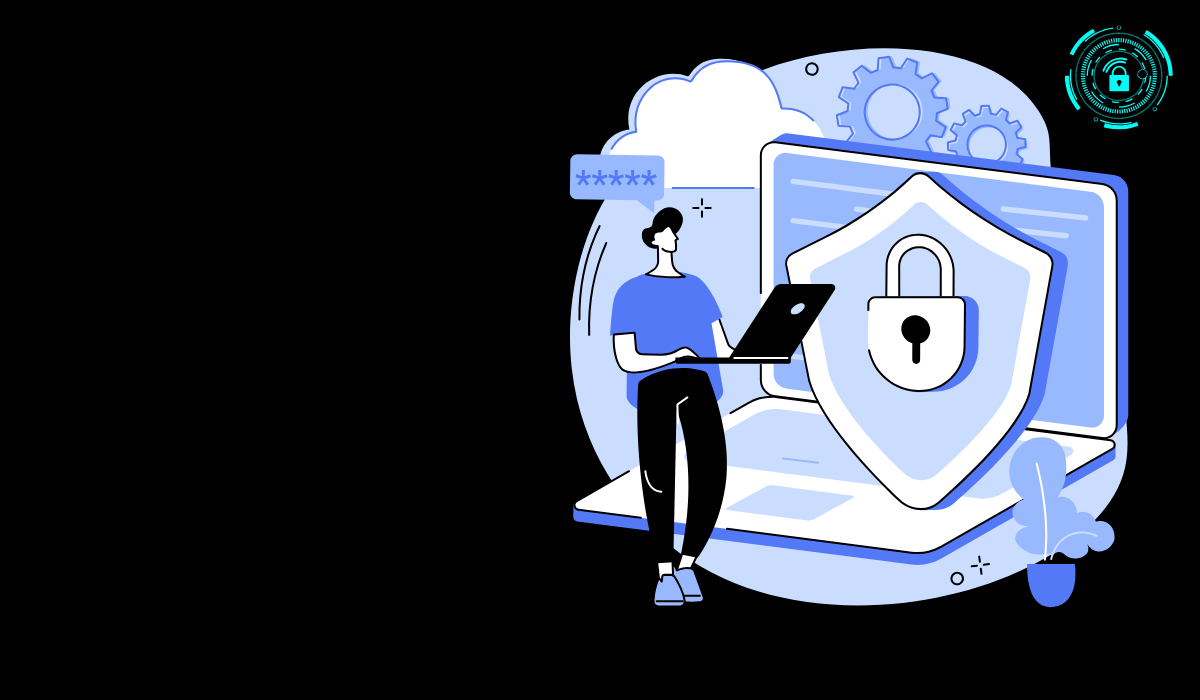
How significant AI threats are detected has changed.
AI stops attacks. It’s crucial to find strange behavior since AI learns what’s normal for different people and systems and looks for flaws. When a workstation connects to an outside IP address or an employee accesses vital data at midnight, automatic inquiries can commence. Before, methods didn’t think about zero-day and insider attacks.
You should always watch the traffic on your network and endpoints. AI systems can discover lateral movement, command-and-control, and big data transfers by looking at telemetry from routers, endpoints, and firewalls. TechRadar says that 36,000 networks monitor the world every second. Noise is annoying. AI likes risk more than trivia.
Time has an effect on analytics for access and identification. The next significant concern is keeping people’s identities safe as more people utilize cloud apps and work from home. AI checks logins, device activity, and sessions to look for password theft and permission misuse. Advanced predictive threat modeling can use past data to guess when assaults will happen. Business security can be improved before assaults happen. Finally, AI-powered automated incident response makes it easier to detect and fix problems. AI can swiftly find devices that shouldn’t be there, cancel credentials, and block illegal communications. Workers may not know that this could happen.
Actual facts and outcomes
AI made PCs less safe. Industrial Cyber says that 78% of CSOs think AI threats will happen in 2025. Technology helps both attackers and defenses. JumpCloud believes that AI finds 60% more cyber dangers. SentinelOne discovered 1,200% more AI phishing. Less than half of Cisco employees know about the risks of AI. According to The Economic Times, 7% of Indian firms are ready for AI. This bothers me since AI is essential for more than just safety.
How AI protects computers
AI improves cybersecurity in a number of ways. A large corporation used AI-powered behavioral analytics to find a script on a user’s computer that they didn’t expect to see. Malware locked up files and caused computers to crash. Some banks employed AI to check network data. AI thought the new IP address was sending spam. Closing connections stopped data theft before the infection.
As more people worked from home, one global corporation employed AI-based identity monitoring to keep an eye on who was logging in from home. AI thought that an unexpected login was a sign of stolen credentials. The authorities were alerted about the tech problem. Some Security Operations Centers use AI to look at threat intelligence and vulnerability assessments to figure out when attacks will happen. They fixed the systems. These examples highlight how AI makes cyberattacks less likely and makes it easier to respond to them.
Hackers that use AI are evil guys.
AI can aid with both attacks and defenses. Cybercriminals use detection-trick algorithms to automate surveillance, make social engineering look real, and create polymorphic malware. Hackers utilize generative AI to produce bogus emails, movies, and even voices of CEOs. AI might find huge security flaws in hundreds of endpoints every second. The next cyberwar will be won by people who use AI wisely. AI helps the good guys win. AI for security needs to keep hackers out.
AI for Security Systems
We need a defense with many layers that is powered by AI. The same cloud logs, endpoint, and network. Feature engineering offers data sources tags and puts them in context. The AI and ML analytics layer uses both supervised and unsupervised learning to find items that aren’t common and categorize hazards.
Supervised models look for assaults that have already happened, while unsupervised models look for attacks that are happening now. Deep learning can discover data theft that happens in steps or sideways. Once AI has looked at the data, it helps analysts uncover large threats. SOAR solutions employ information from the automation and orchestration layer to block problematic IPs or segregate endpoints.
Levels of governance and monitoring make sure that the NIST AI Risk Management Framework, CISA Secure by Design, and openness are all followed. Tier-based AI cybersecurity finds and fixes problems in a way that is moral, verifiable, and correct.

Risks to the safety of AI
Cybersecurity AI is hard, but it’s a lot of fun. Models and data that haven’t been trained can give false positives. It takes longer to update and calibrate because of model drift. Another problem is cleaning. A lot of AI systems are “black boxes,” which means that you can’t figure out what they do. It could affect your reputation and make it difficult to choose.
The data’s quality and bias are essential. AI needs data that is right and fair. Normal activities could feel weird or not happen at all. Cybersecurity professionals don’t typically hurt AI. AI needs both data science and security. Data tampering, rapid injection, and poisoning can all have an effect on AI models. The EU’s AI Act makes it impossible to fulfill the guidelines because it says that data must be used in a clear and moral way. Last but not least, AI ideas are challenging to put into action because they take a lot of computing power and don’t work with older systems. Check that AI is secure.
Standards-based AI stops hacking.
AI businesses need to obey international rules for technology that is safe, moral, and useful. Things are clearer now that the AI Risk Management Framework is in place. MITRE ATT&CK is a well-known set of ways that attackers do things that helps organizations learn how attackers work. MITRE ATLAS looks into attacks on AI. It teaches how to block changes to the model. The CISA delivers “Secure-by-Design.” A way to keep AI safe. People are worried about AI-only quick infusion and bad training data. The OWASP Top 10 Apps for Big Language Models. AI cybersecurity works when companies think about these things.
How will AI’s ability to spot dangers change?
AI can help protect against cyber attacks. Generative AI teaches defense algorithms how to protect against phony threats. You can shop without hurting your system. Small AI models in edge computing can help IoT devices discover and fix problems more rapidly. Trade network detectors that use AI are safer.
All AI-powered products for security orchestration, automation, and response repair things. Regulators will put ethics, data safety, and being clear about things first. New threats will transform the way AI models work. AI is a key part in improving cybersecurity. Automated, predictive, and behavioral analytics all have an effect on digital security.
A good plan for your business
AI cybersecurity companies need to make plans. You can tell how mature someone is by how well they collect data, keep an eye on it, and react to events. Companies should utilize rapid AI to look for phishing, weak passwords, and network problems. To be trustworthy, a data pipeline needs logs and telemetry that are complete, connected, and free of errors.
Companies may construct or acquire AI models after getting the data ready. Use models that are simple to understand. AI outputs must meet SOC criteria so that investigations can be better and replies can be automatic. Management and monitoring of performance that isn’t organized. Use analytical AI to make gut feelings automatic. When it comes to safety, pilot options come last. This strategy turns ideas into skills, which gives AI cybersecurity businesses an edge.
Conclusion
To stop the toxic climate we live in now, we need to act quickly and wisely. Complicated attacks breach the rules and make it hard to talk to each other. AI protection that works. AI helps businesses identify attacks faster, respond better, and become more robust by looking at data, generating predictions, and automating operations.
It takes work to change. There need to be rules, honesty, and moral monitoring for people to trust and keep an eye on AI. People who work in digital security develop guidelines and come up with fresh concepts. AI can help protect organizations from emerging online hazards as more and more people use the internet. It can also make the future safer and more intelligent.