

Beginning
Remote work has changed the way businesses function by giving them more freedom, making them more productive, and helping them balance work and life better. But even if there are clear benefits to working from home, it also greatly raises the threats to cybersecurity. The risk of cyberattacks has expanded a lot because employees can now access important company data from their own devices, insecure home networks, and public Wi-Fi connections. In this post, we’ll look at the main ways that working from home makes cyber security problems worse and give businesses useful tips on how to lower these risks.
The Increasing Need for Remote Work
More and more people are working from home, especially after the COVID-19 pandemic made many organizations switch to digital operations. Working from home is already normal in many fields thanks to the flexibility it offers and the improvements in communication and collaboration tools.
Even though this change has certain benefits, it has also brought up a lot of problems, especially when it comes to protecting important company data. Companies are revising their security plans to deal with the rising cyber hazards that come with working from home.
Weaknesses in Home Networks
One of the biggest cybersecurity dangers of working from home is that home networks are easy to hack. Home networks are frequently not as well protected as corporate offices, which usually have strong firewalls, intrusion detection systems, and other security measures. Cybercriminals can easily break into the computers of employees who work from home because they commonly use personal routers that aren’t updated or set up correctly for security.
Unsecured Wi-Fi networks also make it much more likely that someone will be able to get into company data without permission. Employees that use public networks at coffee shops or co-working spaces without VPNs (Virtual Private Networks) make this problem even worse because cybercriminals can steal important data.
Improving Network Security is the solution.
Companies should require employees to utilize VPNs to encrypt their internet traffic in order to protect home networks. This will keep all communication between distant workers and corporate systems safe. Also, workers should learn how to set up their home networks with strong security settings, including WPA3 encryption, and to use multi-factor authentication (MFA) wherever they can.
Not enough security at the endpoint
Employees who work from home sometimes use their own devices, like computers, cellphones, and tablets, to access company systems. These gadgets usually aren’t as safe as company-issued ones, and they might not have the latest security updates or antivirus software. This lack of effective protection makes endpoint vulnerabilities more likely because these personal devices are easy targets for fraudsters to use to get into enterprise networks.
Also, a lot of employees don’t follow fundamental device security rules, such using strong, unique passwords, keeping devices up to date, or turning on device encryption.
The answer is to use endpoint protection.
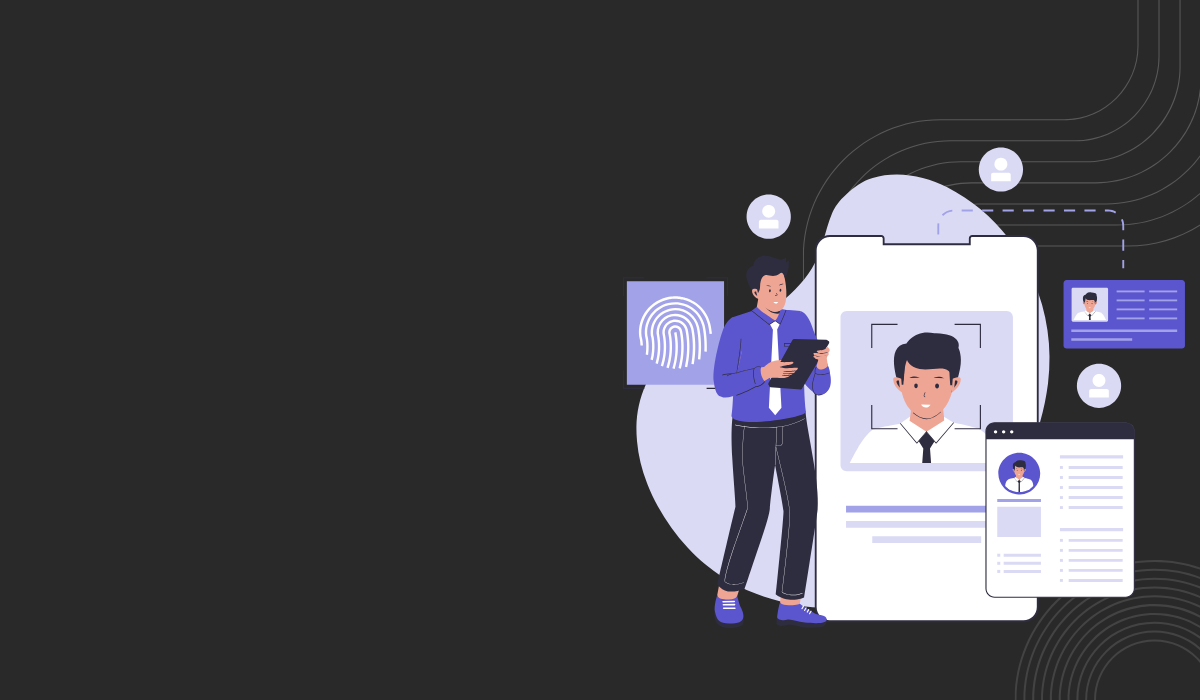
Companies should have a BYOD (Bring Your Own Device) policy that requires all devices used to access company data to have endpoint security. This should involve making sure that all devices are encrypted, installing antivirus software, and making sure that upgrades happen on a regular basis. Also, businesses can lower endpoint risks by giving employees safe, company-issued devices that are already set up with the security capabilities they need.
Attacks that use phishing and social engineering
Employees are also more likely to fall for phishing and social engineering assaults when they work from home. Cybercriminals often send emails, make phone calls, or send messages that look like they are from reputable sources to remote workers. This makes them give up private information, click on dangerous links, or download destructive attachments.
In a remote setting, attackers can more easily pretend to be coworkers or IT staff because they don’t have to talk to them in person. This is because employees and IT support teams are physically far apart.
Training and awareness are the answer.
Companies need to give their employees regular cybersecurity training to protect against phishing and social engineering assaults. The training should teach people how to spot phishing efforts, how dangerous social engineering is, and how to check emails and links before clicking on them. Using multi-factor authentication (MFA) and advanced email filtering systems can also make phishing efforts less successful.
Using the cloud without control
More people are using cloud services to store data and work together, which has raised more security issues. Employees might use cloud services that aren’t approved by the organization to store or share company data. This might put sensitive information at risk of data breaches or leaks. Also, if there aren’t good access control systems in place, employees could accidentally give sensitive information to someone who shouldn’t have it.
The answer is to enforce cloud usage rules.
To lower the risks of using the cloud, organizations should make tight rules about how they can use it. These rules should only allow data to be stored and shared on secure platforms that are permitted. To keep critical enterprise data safe in the cloud, you should also use access control methods like role-based access control (RBAC) and multi-factor authentication (MFA) and encrypt data both when it is being sent and when it is stored.
Not Knowing About Security
A lot of people who work from home don’t know about the cybersecurity threats they face or don’t follow best practices to keep their networks and devices safe. People who don’t realize this can make mistakes that put firm data at risk without meaning to. For example, employees could click on bad sites without realizing it, divulge private information, or not set up the right security measures.
Ongoing training and communication are the solutions.
Companies should spend money on regular, up-to-date cybersecurity awareness training for their remote workers to lessen the effects of human mistake. This training should cover important issues including how to manage passwords, how to use the web safely, and how to handle data securely. Setting up a clear way for employees to report suspicious behavior can also assist lower possible dangers.
How to Control Remote Access to Company Systems
To do their jobs, people who work from home need to be able to get to company systems and data. But this remote access needs to be tightly controlled to keep hackers and other others from getting in. Cyber dangers can get into company networks if remote access methods are weak or not set up correctly and there aren’t any monitoring mechanisms in place.
Solution: Putting in place strong access control
Companies should require all users who access company systems to use multi-factor authentication (MFA) to keep remote access safe. To make sure that staff only have access to the data they need, least privilege access regulations should be put in place. Regular audits of user activity can help find any strange behavior, and real-time monitoring solutions can let IT personnel know about such dangers.
Threats from within
Cybercriminals are a menace from the outside, but workers who put corporate security at risk on purpose or by accident are just as harmful. Remote workers may be able to access sensitive data and systems without anyone watching them, which makes it more likely that data may be stolen or breached.
The answer is to keep an eye on things and train employees.
Companies should put rigorous access restrictions in place and keep an eye on employee activities for signals of suspicious behavior to protect themselves from insider threats. Clear rules about how to handle data ethically, along with training for employees on how to protect data, can help stop insider threats and make sure that all employees know what they need to do to keep sensitive information safe.
conclusion
Remote work is great for both businesses and individuals, but it also comes with cybersecurity threats that need to be carefully controlled. Businesses can better protect themselves from cyber threats by knowing what weaknesses remote work can cause and putting in place strong security measures.
To lower the hazards of working from home, it’s important to teach people about cybersecurity, protect home networks, give people secure equipment, and control who can use them remotely. As more people work from home, organizations need to change how they protect their data and keep their clients’ trust.
Businesses can protect their data and make sure that remote work stays a safe and viable choice in the future by including these tactics in a full cybersecurity plan.